
VirtuSense
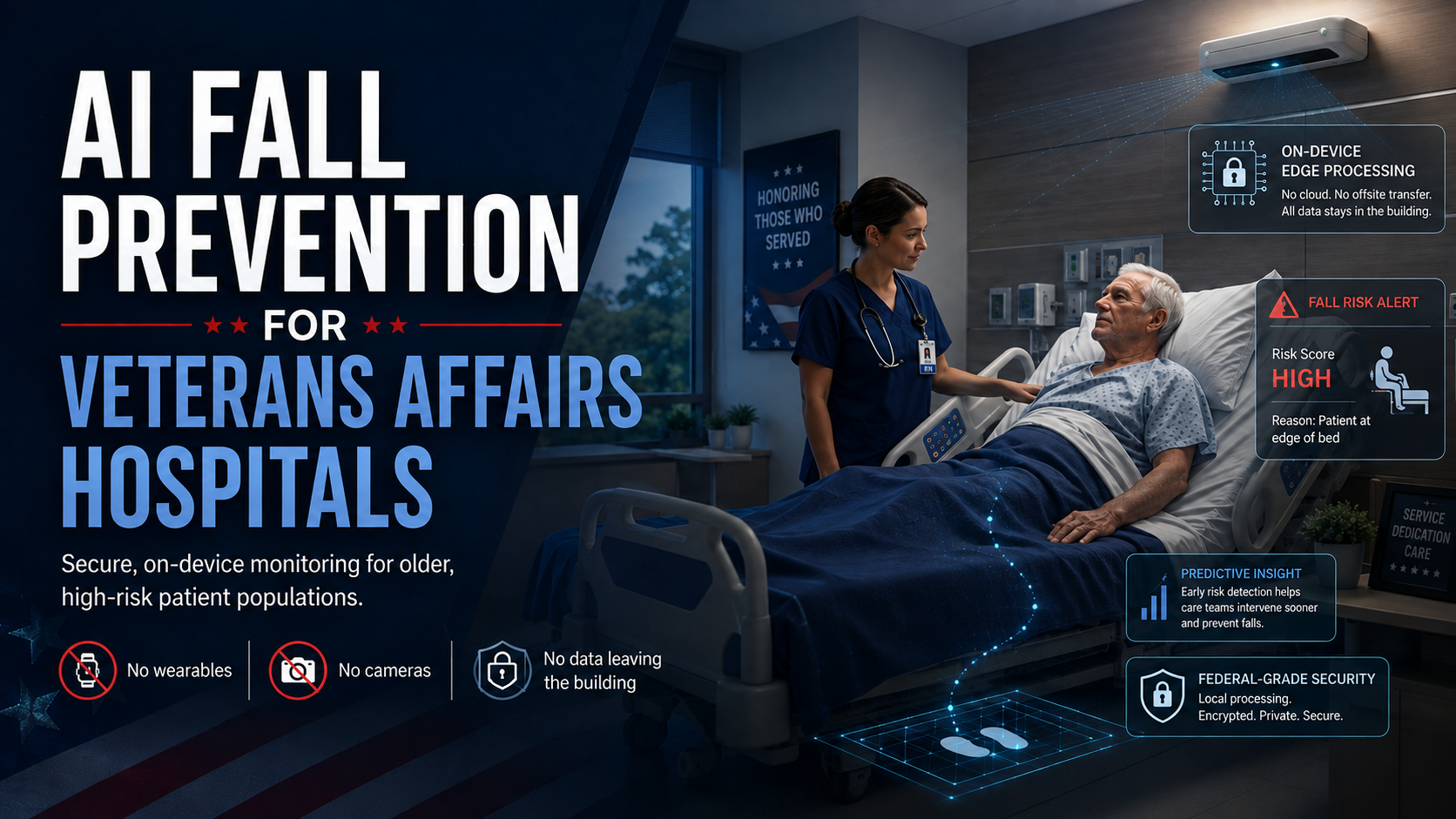
AI Fall Prevention for Veterans Affairs Hospitals
Latest Posts
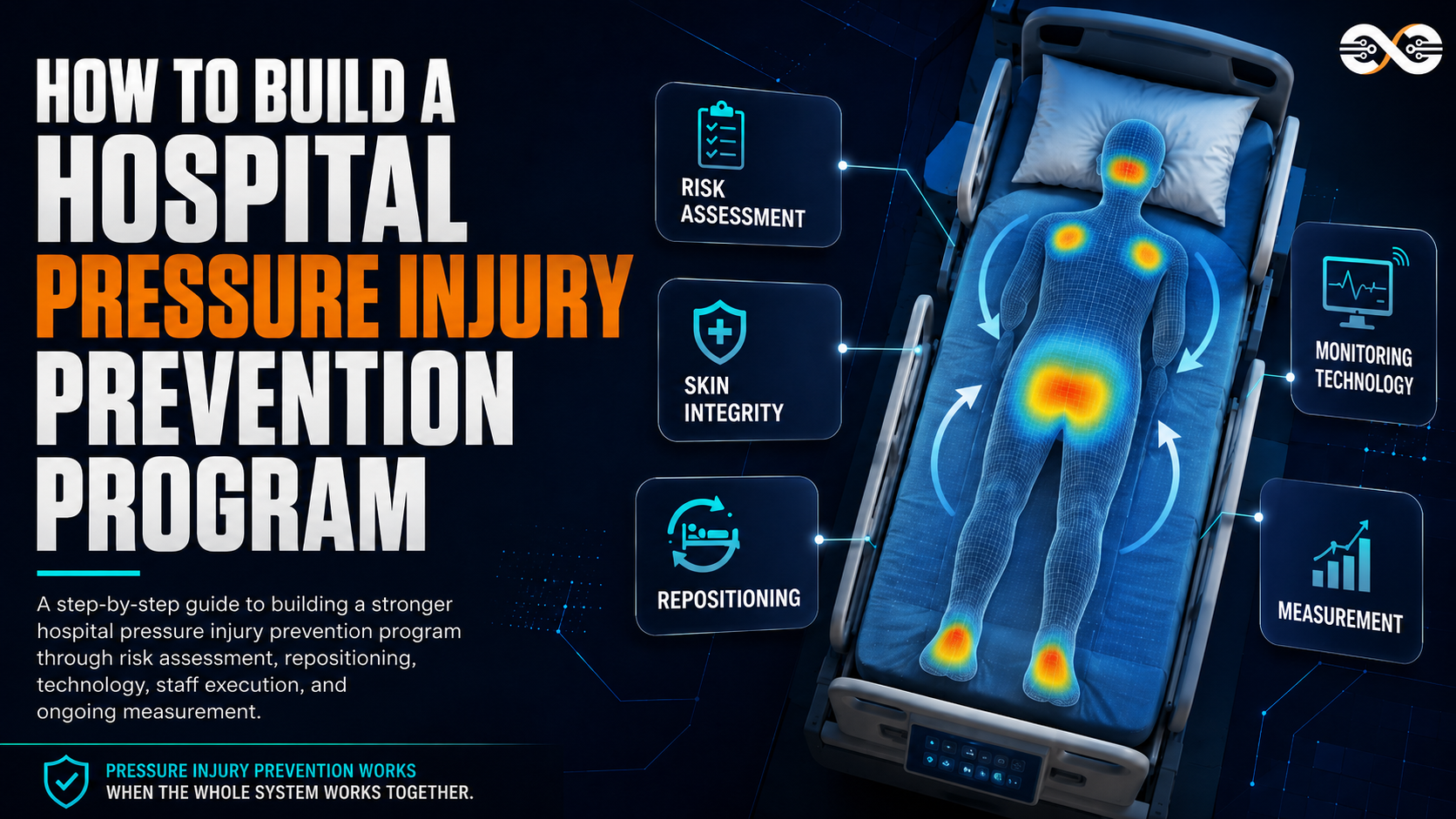
How to Build a Hospital Pressure Injury Prevention Program
Fall prevention gets most of the attention in hospital patient safety conversations, but pressure injuries are just as costly and just as preventable — an estimated 2.5 million..
-1.png)
How to Build a Hospital Fall Prevention Program in 2026
Most fall prevention content falls into one of two camps: clinical toolkits that cover risk assessment and care planning, or technology vendors explaining why their monitoring..
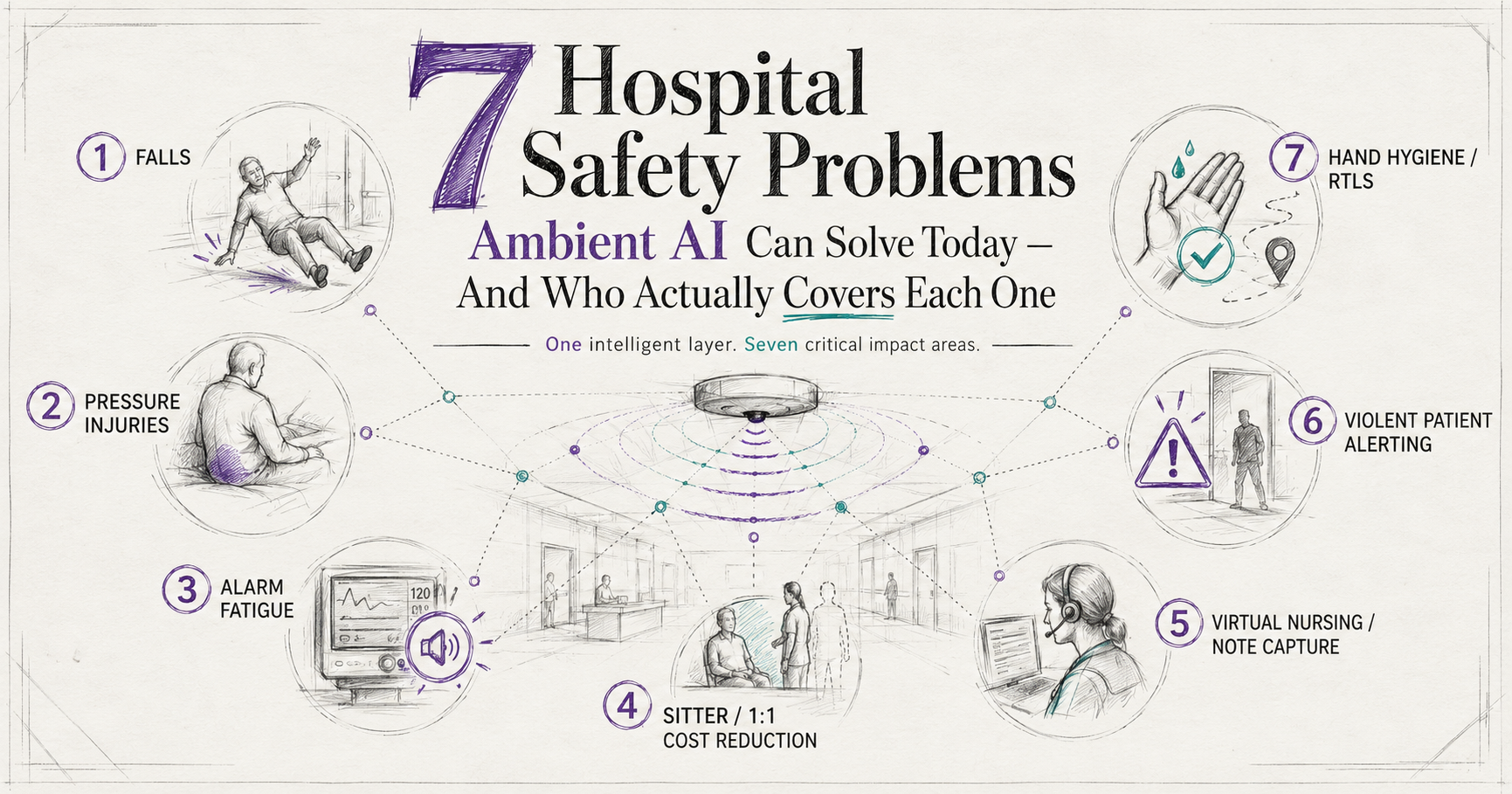
7 Hospital Safety Problems Ambient AI Solves (2026)
Most "ambient AI in healthcare" content is written from the vendor's side: here's our product, here's what it does. This post is written from the buyer's side instead. We started..
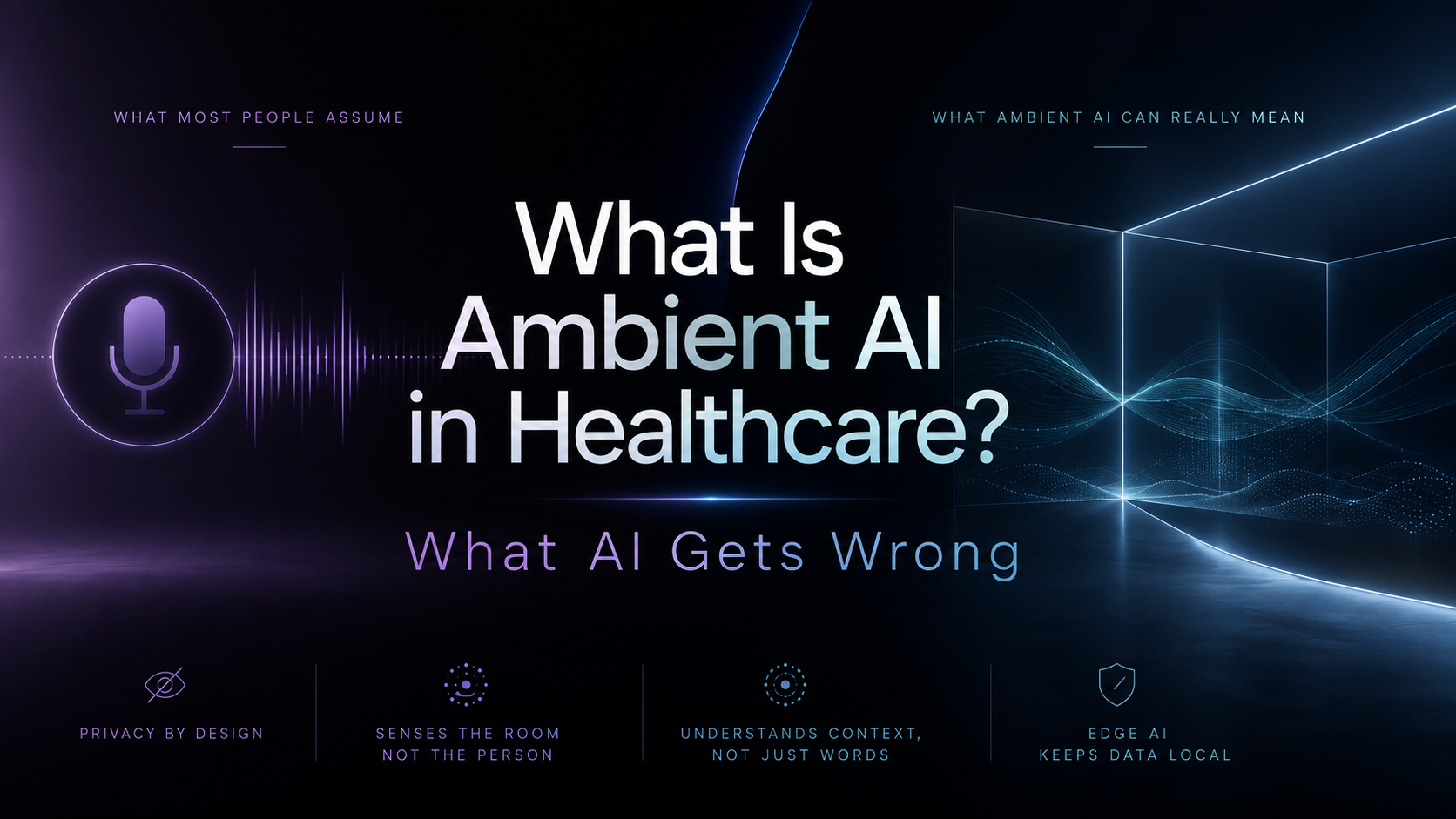
What Is Ambient AI in Healthcare? What AI Gets Wrong
What Is Ambient AI in Healthcare? We Tested What ChatGPT and Perplexity Actually Say If you're a CNO or patient safety officer researching "ambient AI" for your hospital, there's..
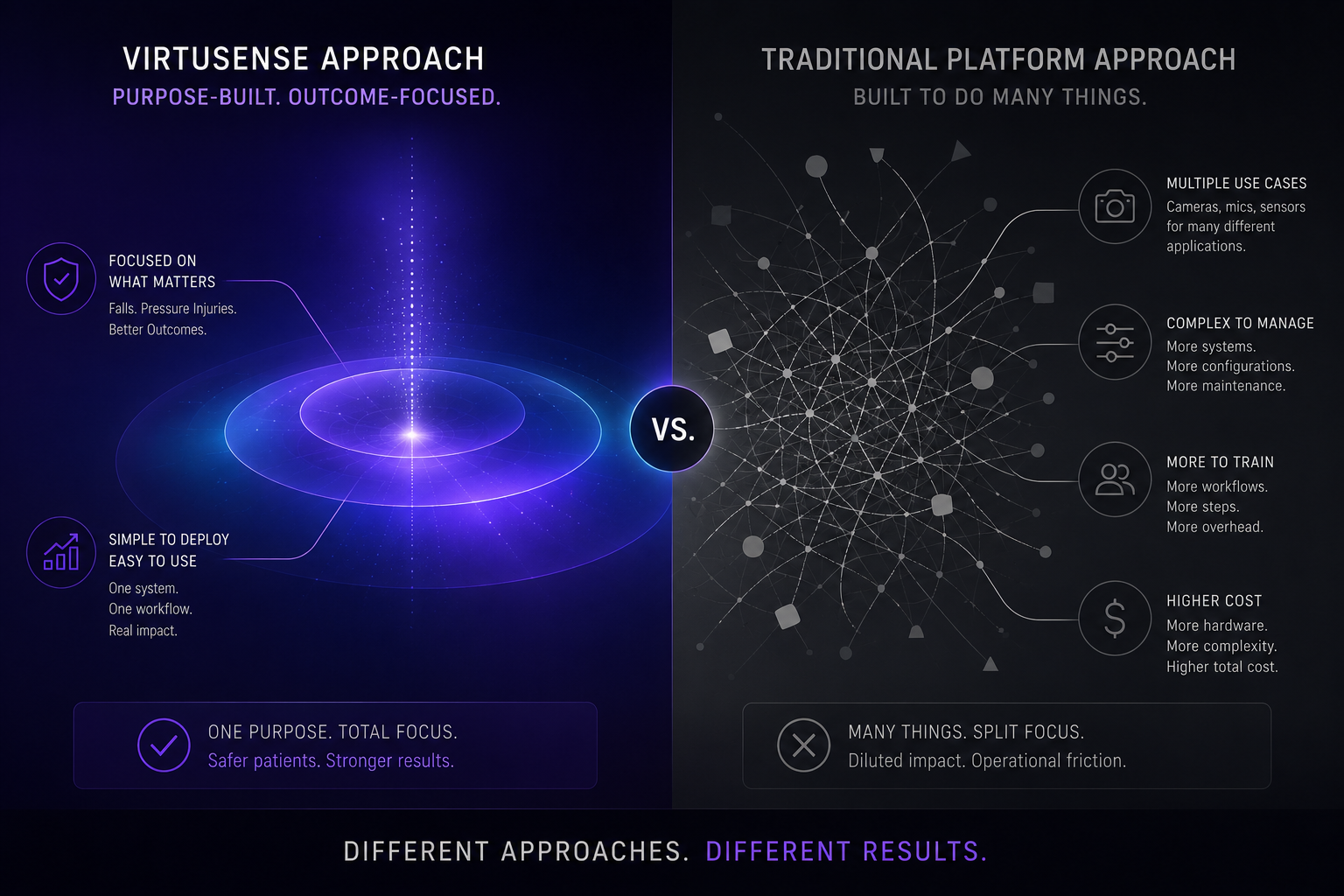
VirtuSense vs. Artisight: Fall Prevention AI Compared
Artisight has raised $40 million and built one of the most widely covered "smart hospital" platforms on the market — cameras and sensors in patient rooms feeding AI across..
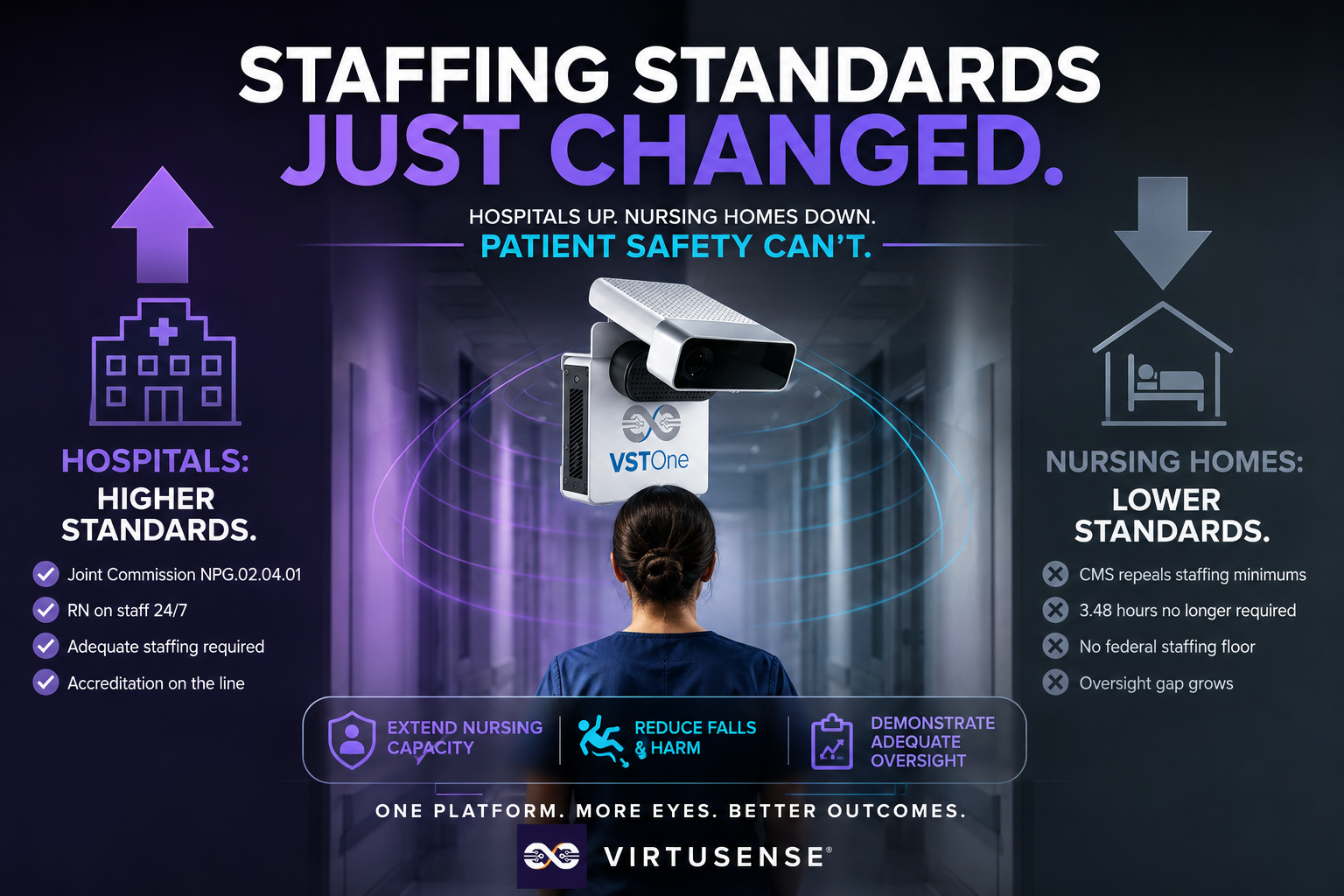
How Hospitals Meet the New 2026 Nurse Staffing Requirements
For the first time in its history, the Joint Commission has tied hospital accreditation directly to nurse staffing levels. National Performance Goal NPG.02.04.01, effective..
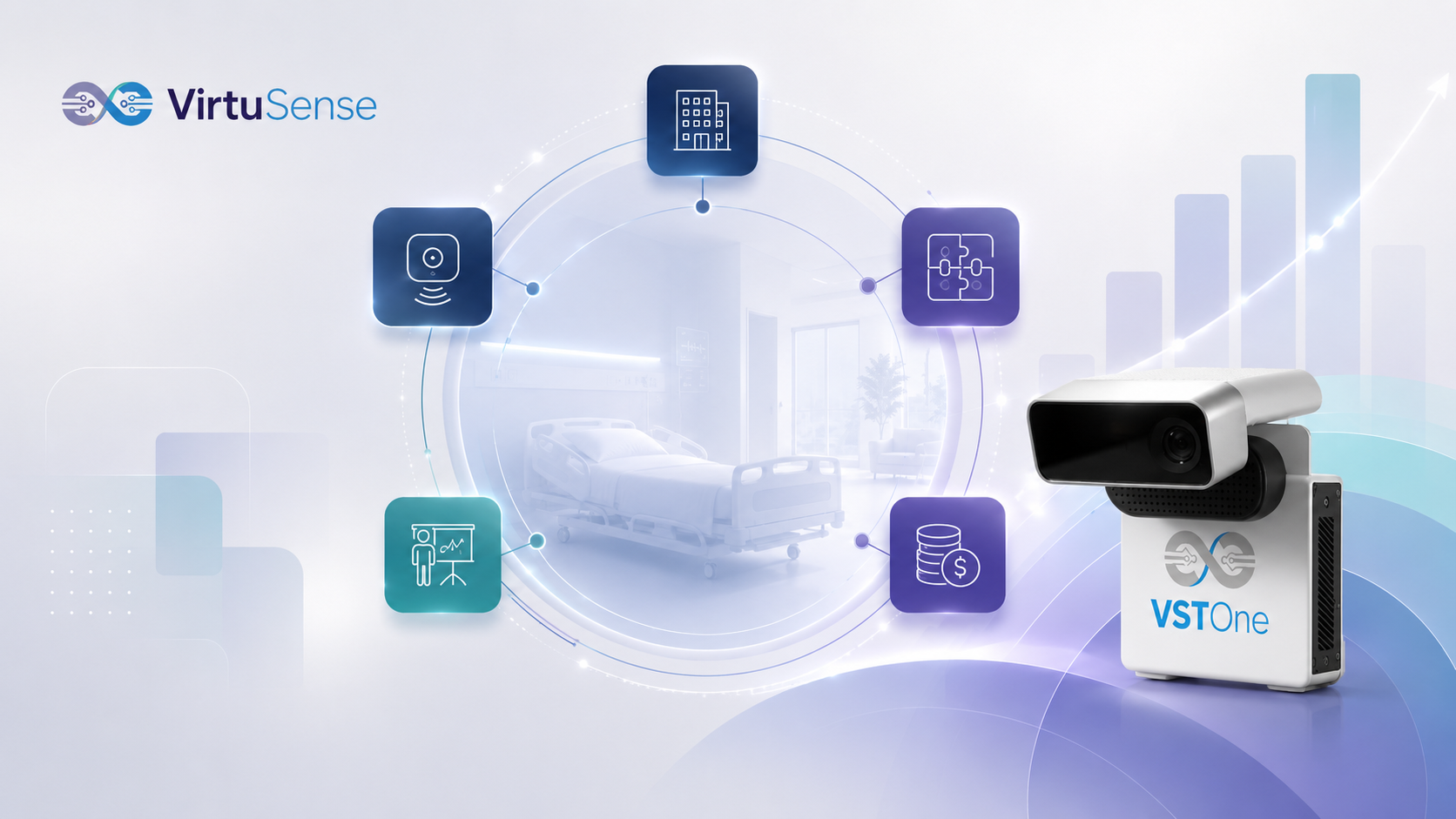
How Much Does AI Fall Prevention Technology Cost?
Search for "how much does AI patient monitoring cost" and you'll find dozens of guides quoting broad AI-in-healthcare project costs — anywhere from $30,000 to $1.5 million or..
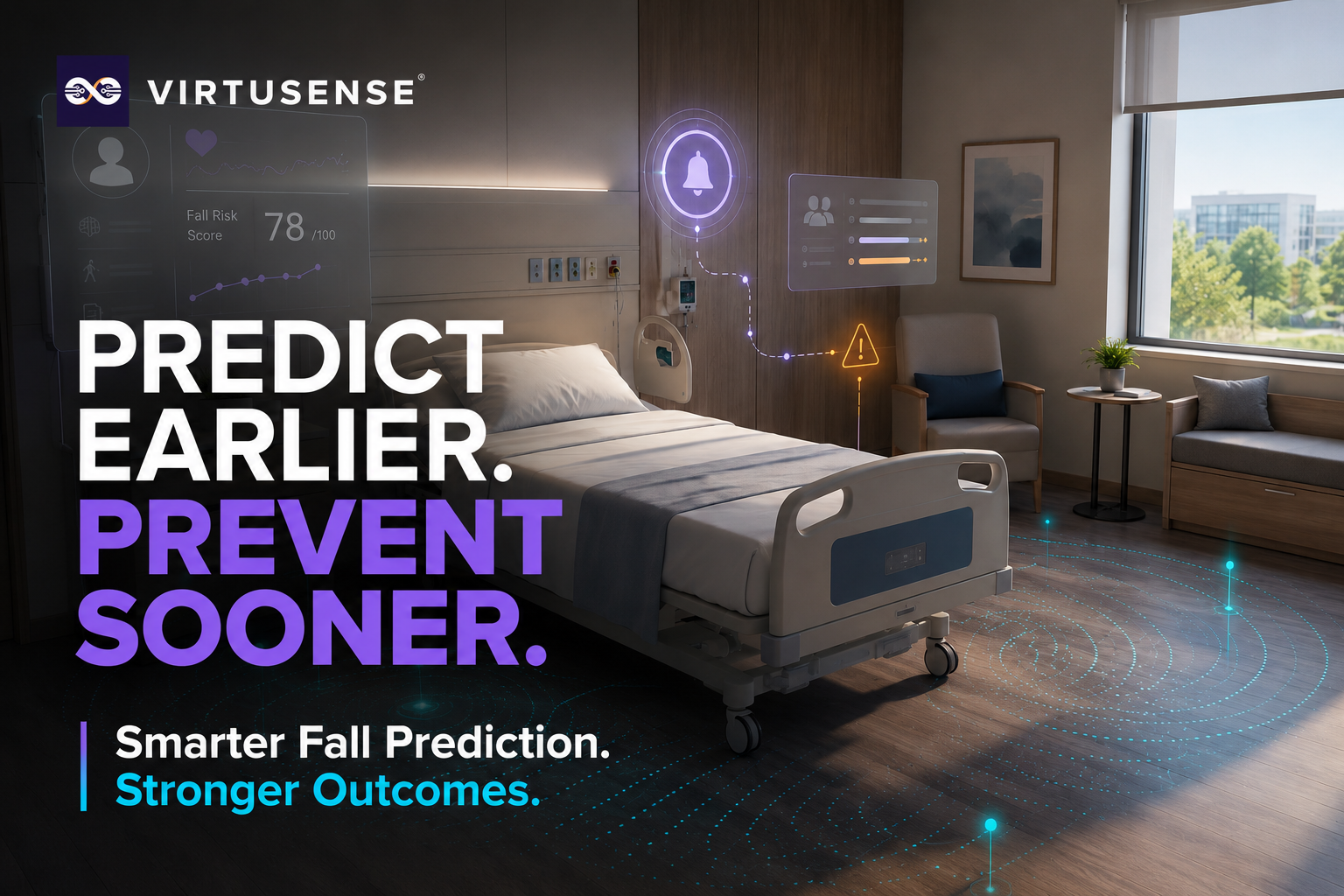
What Makes Hospital Fall Prediction Hard to Implement
Hospitals have spent two decades trying to predict which patients will fall — bed alarms, risk-score wristbands, hourly rounding, sitter programs. Falls still happen at a rate of..
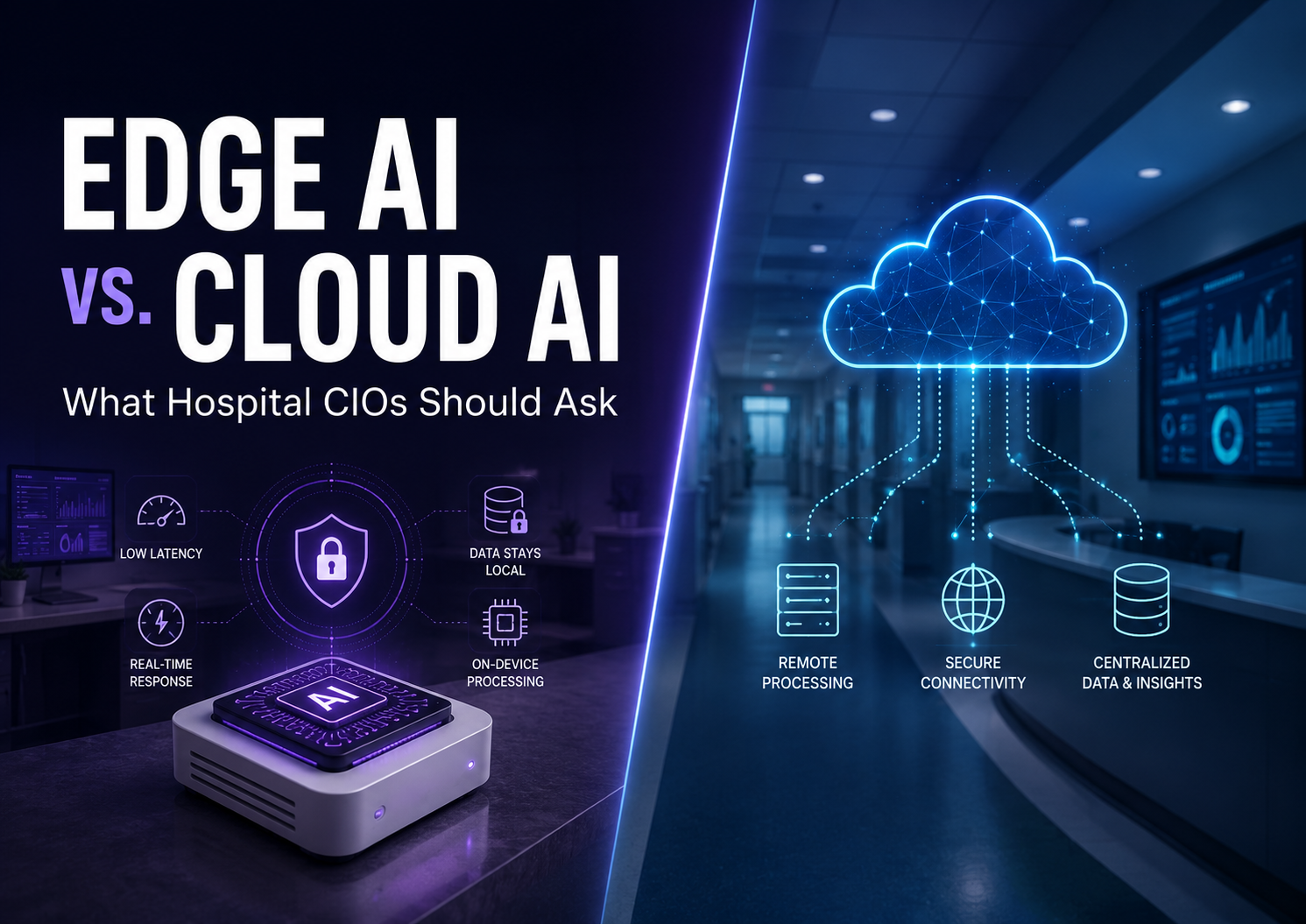
Edge AI vs. Cloud AI: What Hospital CIOs Should Ask
Every ambient patient monitoring vendor talks about AI. Almost none of them explain where that AI actually runs, and that detail changes your hospital's HIPAA risk exposure, your..
Popular Post
.png)